
Square miles
St. John · United States Virgin Islands
Small island deeply known
Beaches and ruins, ridgelines and reef, Cruz Bay energy and Coral Bay calm—this is the practical guide to knowing St. John beyond the postcard
Begin the island guide ↓The Love City difference
Wild by nature personal by scale
St. John is close enough to reach and protected enough to still feel discovered
The smallest of the three main U.S. Virgin Islands sits just east of St. Thomas. Much of its land and surrounding water belongs to Virgin Islands National Park, preserving an uncommon mix of beaches, dry forest, tropical forest, historic ruins and coral habitat
Miles long and wide
Protected parkland
Bordeaux Mountain
Know the island your way
Come for the view stay for the rhythm
There is a vacation version of St. John and an everyday version. The best visits borrow from both: leave room in the itinerary, follow the weather and water, and let the island set the pace
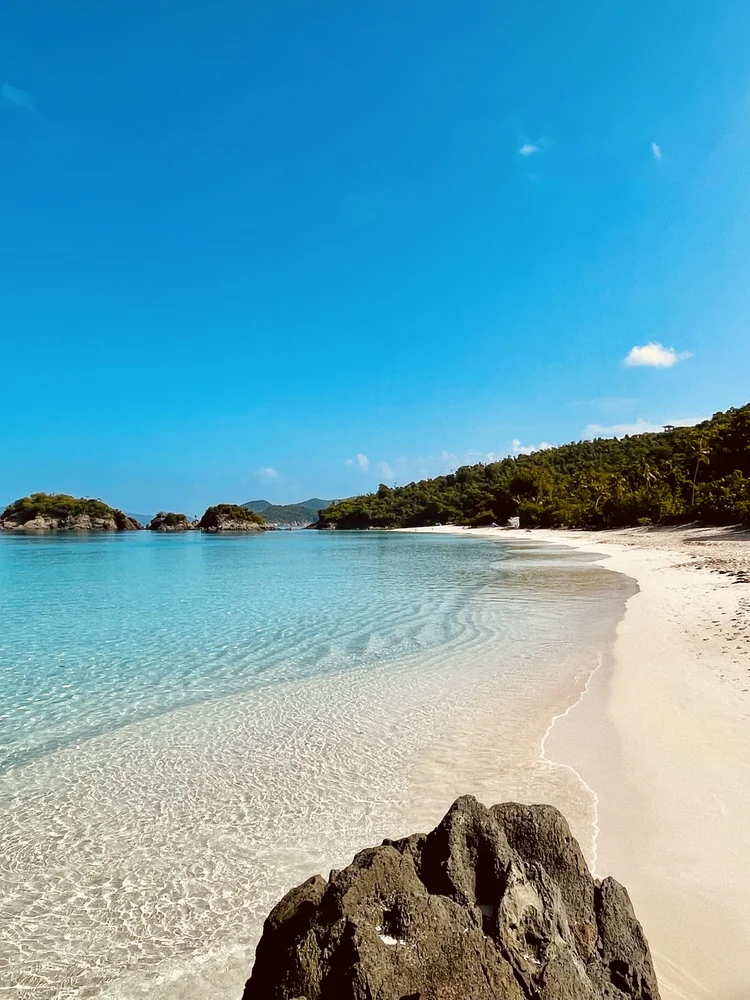
The protected side
Beach, trail, reef
Explore North Shore beaches, hike through layered island history and spend time in the national park above and below the water
Explore Virgin Islands National Park ↗
The lived-in side
Food, art, community
Locally owned restaurants, independent shops, music and island traditions make St. John feel like a community—not a resort assembled for visitors
Getting here ispart of arriving
St. John has no commercial airport. Most journeys move from St. Thomas to the ferry, then across the water into Cruz Bay
Land on St. Thomas
Fly into Cyril E. King Airport and collect your luggage before continuing to a ferry terminal
Cross by water
Passenger ferries and private water taxis connect St. Thomas and St. John. Schedules vary, so confirm close to travel
Settle into island time
Pick up a rental vehicle or meet your driver in Cruz Bay. Remember: in the USVI, driving is on the left
U.S. citizens generally do not need a passport for direct travel from the mainland, but should carry accepted identificationVerify current travel information ↗
For residents, owners + buyers
Living here works differently
Island homes are shaped by terrain, access, salt air, rainfall, cisterns, utilities and the realities of building far from the mainland. These are the questions worth understanding early
01 · Property+Building + zoning
Construction and improvements are governed by Virgin Islands zoning, permitting and environmental requirements. Access, slope, drainage, exposure and material delivery can influence a project as much as the floor plan
Use official departments for current regulations, then pair that guidance with experienced island professionals
02 · Home systems+Utilities + resilience
Many homes collect rainwater into a cistern and use propane for cooking or appliances. Generator, solar and battery systems are common parts of planning for island utility interruptions
Maintenance is preventative: roofs, drainage, mechanical systems, corrosion and storm readiness all reward consistent attention
03 · Ownership+Taxes + transactions
Real property taxes in the U.S. Virgin Islands are assessed and collected through the Office of the Lieutenant Governor. Owners can use the territory’s current tax resources to review bills, search parcels, make payments and request tax-clearance information.
Deeds, mortgages and other instruments affecting real property are recorded through the Recorder of Deeds for the St. Thomas–St. John District. Closing costs, financing, insurance and tax treatment vary by transaction, so confirm current requirements with your broker, the appropriate agency and your legal or tax professional.
Property Tax Rates (Mil Rates) Residential real property: 0.3770% (.003770)
Unimproved non-commercial real property: 0.4946% (.004946)
Commercial real property: 0.7110% (.007110)
Timeshare real property: 1.4070% (.014070)
Stamp Tax (Transfer Tax): Separate from annual property taxes, a tiered stamp tax applies when real estate changes hands based on the sales price or assessed value, whichever is higher. This cost is often negotiated in a purchase contract:
2.0% on properties up to $350,000
2.5% on properties from $350,001 to $1,000,000
3.0% on properties from $1,000,001 to $5,000,000
3.5% on properties over $5,000,000
Island regulations, schedules, costs and service details can change. External resources are provided for convenience; confirm current requirements directly with the relevant agency or licensed professional
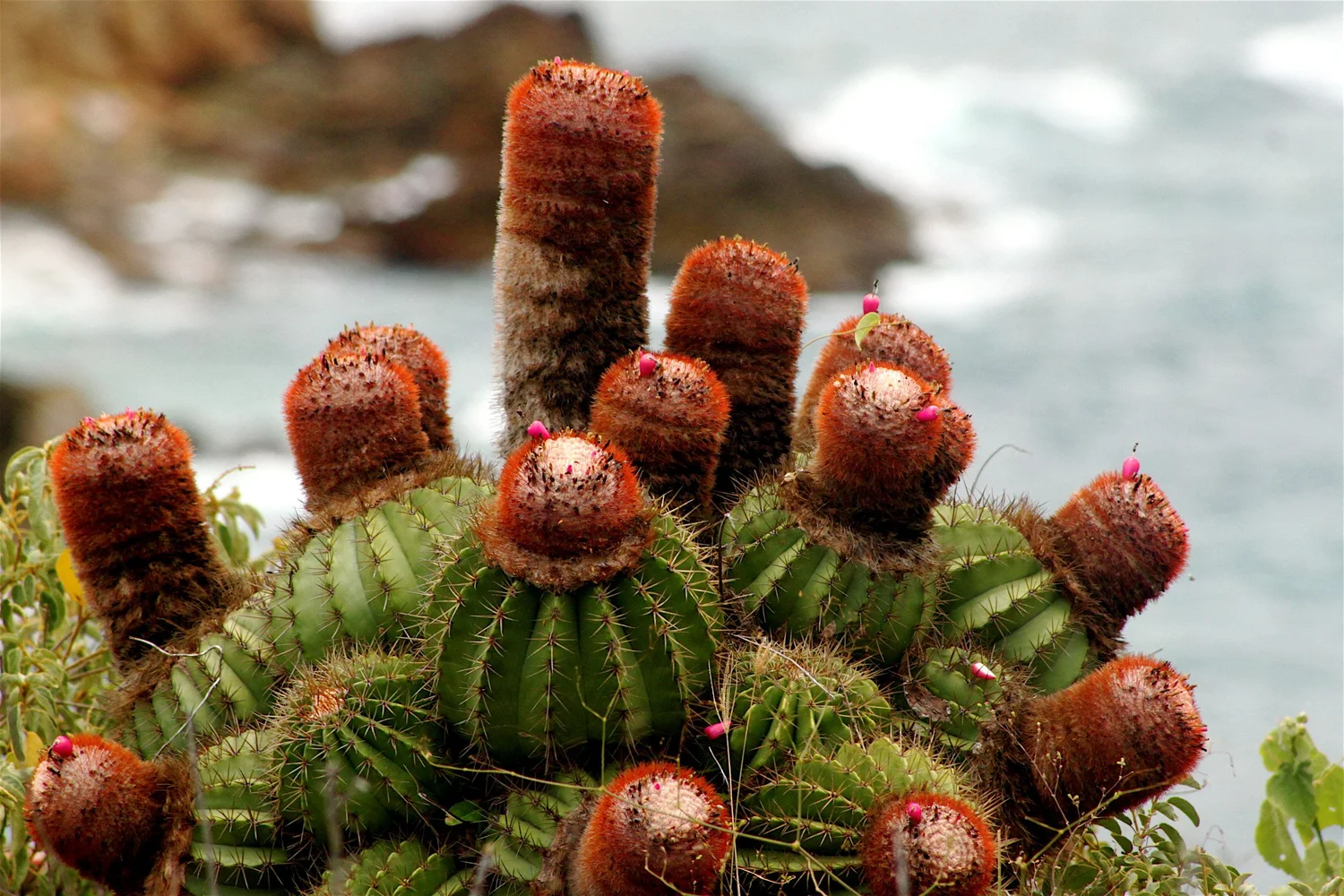
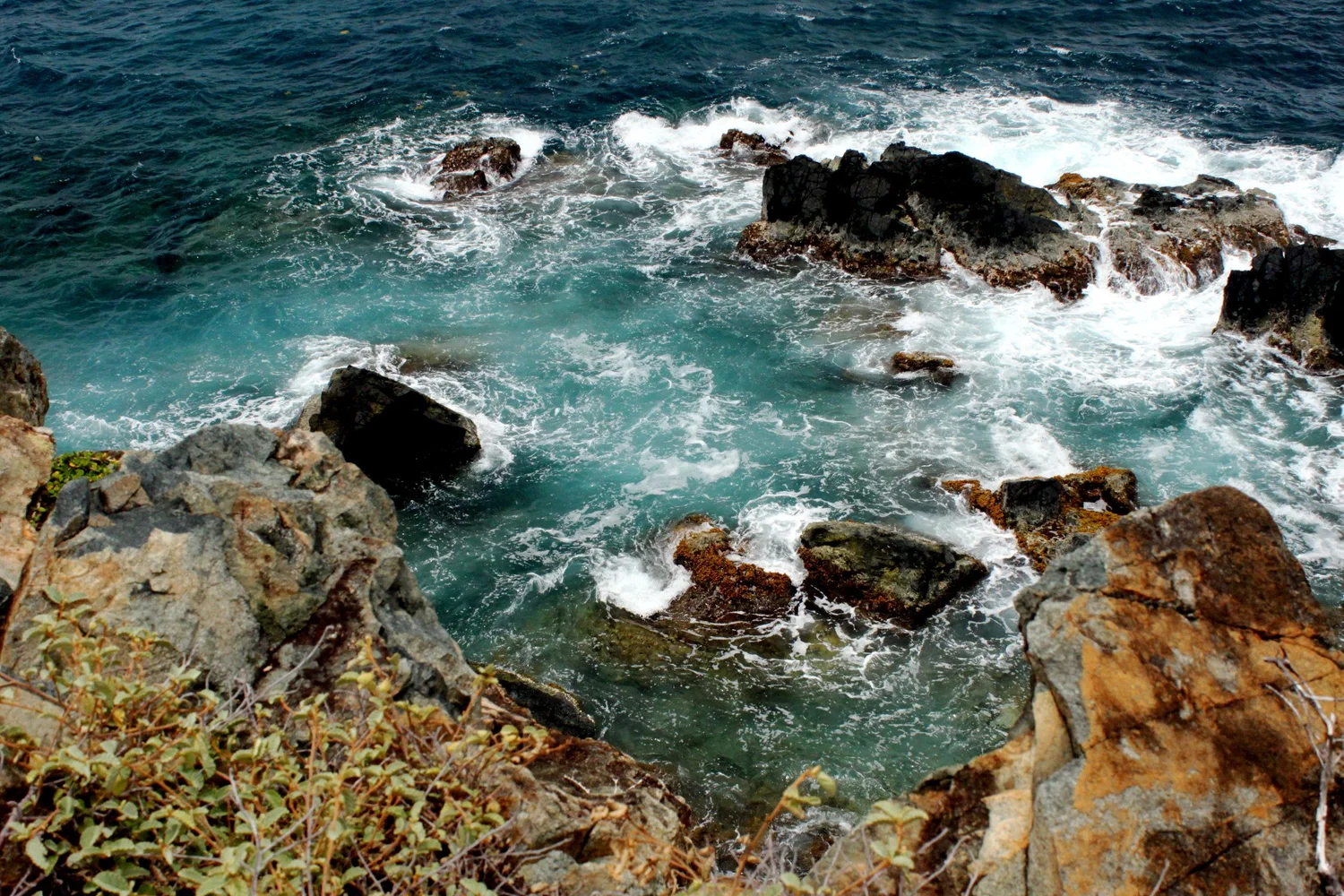
A longer story than the view
History written into the landscape
Petroglyphs, plantation ruins and place names hold stories of Indigenous life, Danish colonization, enslavement, resistance and freedom
People lived on St. John centuries before European colonization. The island later became part of the Danish West Indies and was the site of the 1733 rebellion, when enslaved Africans held control of much of St. John for months. The United States purchased the Danish West Indies in 1917. Today, the U.S. Virgin Islands is an unincorporated U.S. territory with its own elected local government
Continue with the St. John Historical Society ↗Useful without the endless list
Medical care
Open official resource ↗
Myrah Keating Smith Community Health Center
St. John primary care and 24-hour emergency services · (340) 693-8900
Community response
Visit St. John Rescue ↗
St. John Rescue
Volunteer rescue and emergency support serving the island community
Land + water
Open the park site ↗
Virgin Islands National Park
Park conditions, trails, visitor information, history and conservation
Stewardship
Meet Friends of the Park ↗
Friends of Virgin Islands National Park
Programs, volunteer opportunities, education and park advocacy
Culture + history
Explore island history ↗
St. John Historical Society
Deeper reading, preservation work and local historical resources
Planning + permits
Open DPNR ↗
VI Department of Planning and Natural Resources
Current government information on permitting, coastal zones and environmental matters
Utilities
Open VI WAPA ↗
Virgin Islands Water and Power Authority
Customer service, outage and utility information
Business
Open VI EDA ↗
Virgin Islands Economic Development Authority
Current business programs and economic-development information
Community
Visit the foundation ↗
St. John Community Foundation
Local initiatives, nonprofit connections and community support

Established 1999